

Eliminate Smoke Smell from House requires more than surface-level cleaning or short-term fixes. Cigarette smoke affects indoor air and materials in ways that can cause odor to linger or return over time. At this stage, understanding long-term solutions becomes essential. Technologies developed by Activepure are designed to support cleaner indoor environments by addressing smoke-related contaminants in the air, helping maintain fresher spaces and more stable results after cleaning.
Why Cigarette Smoke Smell Lingers Indoors?
Cigarette smoke odor does not disappear simply because smoking has stopped or a space looks clean. What people experience as a lingering smoke smell is the result of how smoke behaves once it enters an indoor environment. Smoke moves through the air, attaches to materials, and is continuously influenced by airflow and ventilation patterns. Understanding this process helps explain why cigarette smoke odor is so persistent and why eliminating smoke smell from a house requires more than quick fixes.
How Smoke Particles Move Through the Air and Attach to Surfaces?
When a cigarette is smoked indoors, thousands of microscopic particles and gases are released into the air. Some are noticeable right away, while others remain suspended and continue circulating through the space long after smoking stops. As these smoke compounds move, they gradually attach themselves to nearby materials. Walls, ceilings, furniture, fabrics, and even hard surfaces collect a thin residue that contains nicotine and other odor-causing substances, allowing smoke smell to settle throughout the home.
Over time, this residue slowly releases odor back into the air, especially when temperature or humidity changes. This is why cigarette smoke smell can persist even in rooms that appear clean and why surface cleaning alone often fails to fully eliminate smoke smell from a house.
How Airflow and Poor Ventilation Spread Smoke Odor?
Indoor airflow plays a major role in where cigarette smoke odor travels and where it remains trapped inside a home. Heating and cooling systems continuously move air from one space to another, and along with it, smoke-related particles also move. As air passes through vents and ductwork, odor-causing compounds can be carried into rooms where no smoking ever occurred, spreading the smell far beyond its original source.
At the same time, areas with limited airflow such as closets, storage spaces, hallways, and unused rooms allow smoke compounds to settle and slowly build up. In these low-ventilation spaces, odor can remain concentrated and undisturbed for long periods, often going unnoticed until doors are opened or airflow patterns change.
Together, constant air circulation and poorly ventilated areas create conditions where cigarette smoke odor spreads easily and lingers stubbornly. This combination explains why smoke smell often returns after cleaning and why a complete solution must consider both how smoke attaches to surfaces and how air moves through the home.
How Severe Is Cigarette Smoke Smell in a House?
Before trying to eliminate smoke smell from a house, it is important to understand how severe the odor is. Cigarette smoke can affect a home in different ways depending on how often smoking occurred, how long it lasted, and how deeply the odor has settled into materials. Identifying whether the smoke smell is light, moderate, or heavy helps clarify what level of effort is needed and prevents relying on solutions that are either ineffective or unnecessarily extreme. The table below outlines these three levels and the type of response each one typically requires.
| Smoke Odor Level | Common Causes | Key Characteristics | Appropriate Response |
|---|---|---|---|
| Light |
Short-term indoor smoking smoke entering from nearby spaces limited past exposure |
Faint and localized odor mainly noticeable in the air minimal impact on surfaces |
Ventilation targeted cleaning basic air treatment |
| Moderate |
Repeated indoor smoking residual odor from previous occupants ongoing nearby exposure |
Noticeable odor in multiple rooms returns after basic cleaning fabrics affected |
Deep cleaning focused fabric treatment consistent air management |
| Heavy |
Long-term indoor smoking smoking in several rooms long-term residue buildup |
Strong odor throughout the home immediately noticeable deeply embedded in materials |
Intensive remediation possible material replacement HVAC attention long-term air treatment |
Immediate Actions That Reduce Cigarette Smoke Smell

When cigarette smoke odor is present indoors, taking the right steps early can make the situation much easier to manage. These actions will not eliminate smoke smell from a house on their own, but they help reduce how strong the odor feels, limit further spread, and prepare the home for deeper cleaning later on.
Ventilation works best when air can move through the home instead of entering and exiting from a single opening. Opening windows on opposite sides of the house and using fans to push stale air outside helps fresh air replace contaminated indoor air. Ventilating during cooler times of the day or when outdoor air is clean can noticeably reduce smoke smell in the air and make the space feel fresher, even though it does not remove odor that has already settled into materials.
Removing high-impact odor sources is another important step and is usually faster to address. Ashtrays, cigarette waste, trash bins, and smoking-related items should be cleaned or removed right away. Fabrics such as blankets, curtains, pillow covers, and clothing that were exposed to smoke should also be washed or taken out of the space to prevent them from continuing to release odor indoors.
What to Avoid While Taking Immediate Action?
During these initial actions, certain common mistakes may seem harmless but can cause problems later when trying to eliminate smoke smell from a house. Some of these reactions can also introduce additional particles or compounds into the indoor environment, making the odor harder to remove and interfering with deeper cleaning and long-term solutions. Avoiding them early helps ensure that later efforts are more effective.
Avoid Using Air Fresheners or Scented Sprays
Air fresheners and scented sprays change how the air smells, but they do not change what is actually in the air. Cigarette smoke odor comes from chemical compounds that remain suspended or continue to off-gas from surfaces. When fragrances are added, those compounds are still present and active. Over time, the fragrance mixes with smoke residue rather than replacing it, which can make the odor feel heavier and harder to define. This also interferes with later stages of odor removal, because it becomes more difficult to identify where smoke smell is still coming from and whether cleaning or air treatment is actually working.
Avoid Burning Candles or Incense
Candles and incense create their own smoke and combustion byproducts. In a home already affected by cigarette smoke, this adds another source of airborne particles and volatile compounds. Instead of reducing odor, this increases the overall burden on indoor air and can cause smoke smell to linger longer. It also reduces the effectiveness of ventilation and air treatment by introducing new contaminants at a stage when the goal is to lower, not add to, indoor pollution.
Avoid Closing Windows Too Quickly
Ventilation works by allowing contaminated indoor air to leave the space and be replaced with cleaner outdoor air. Closing windows too soon interrupts this exchange before smoke-affected air has had time to exit fully. As a result, odor-causing compounds remain trapped and continue circulating inside the home. This increases the likelihood that smoke residue will settle deeper into materials, making later cleaning more difficult and less effective.
Avoid Running the HVAC System Before Odor Sources Are Addressed
HVAC systems are designed to circulate air, not remove smoke compounds. When the system runs before odor sources are reduced, it pulls smoke-contaminated air into ducts and redistributes it throughout the home. This can spread odor into rooms that were previously less affected and introduce smoke residue into HVAC components themselves. Once that happens, eliminating cigarette smoke smell often requires more extensive cleaning and air treatment than if airflow had been managed carefully from the start.
How to Eliminate Smoke Smell from a House with Deep Cleaning?
Deep cleaning is one of the most important steps when trying to eliminate smoke smell from a house, because cigarette smoke does not stay only on the surface. Over time, smoke residue builds up and becomes embedded in different materials throughout the home. Effective deep cleaning focuses on removing these hidden odor sources rather than covering them up, which means paying attention to the specific surfaces, fabrics, and everyday items where smoke odor is most likely to settle.
Soft Surfaces and Textiles
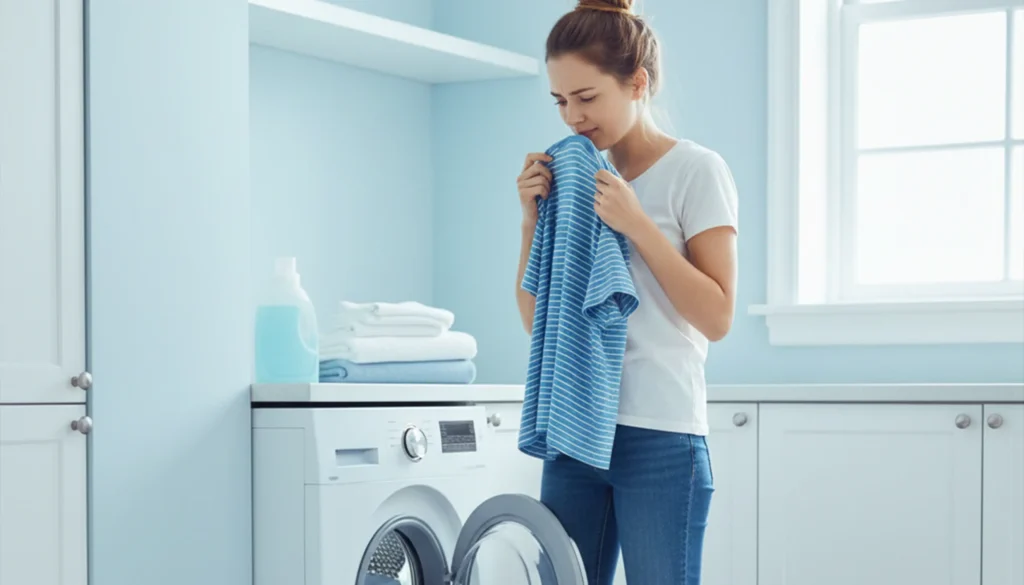
Soft surfaces are often the largest and most persistent sources of cigarette smoke odor because their fibers trap smoke particles deep below the surface. Carpets, rugs, upholstered furniture, curtains, bedding, and mattresses absorb both airborne smoke compounds and residue that settles over time. Normal daily activity such as walking, sitting, or changes in humidity can cause these trapped odors to be released back into the air, even when the items appear clean.
Effective treatment starts with identifying which items can be washed and which require deeper cleaning. Washable fabrics such as curtains, removable cushion covers, bedding, and throws should be laundered using a detergent designed to remove odors rather than just fragrance. Using warm or hot water, when safe for the fabric, helps break down smoke residue more effectively.
Items that cannot be fully washed, such as carpets and fixed upholstery, usually require shampooing or hot water extraction to reach smoke particles embedded in the fibers. Simple vacuuming may remove surface dust, but it does little to address odor-causing compounds.
Mattresses and large upholstered pieces need special attention because smoke odor can penetrate well below the outer layer. Steam cleaning, low-moisture extraction, or professional upholstery cleaning methods are often more effective than surface treatments.
In cases of heavy smoke exposure, some items may retain odor even after cleaning and should be evaluated for replacement. Addressing soft surfaces early and thoroughly often produces the most noticeable improvement when trying to eliminate smoke smell from a house, as these materials tend to release odor continuously if left untreated.
Walls, Ceilings, and Smoke Film
Walls and ceilings often become hidden sources of cigarette smoke odor because smoke leaves behind a thin, sticky layer known as smoke film. This film is made up of nicotine, tar, and other smoke-related compounds that slowly bond to painted surfaces. Even when walls look clean, this residue can cover large areas and continue releasing odor back into the air, especially when indoor temperature or humidity changes.
Removing smoke film requires more than routine cleaning. Standard household cleaners or light wiping usually spread the residue rather than break it down. Effective cleaning starts with using a degreasing solution specifically formulated to cut through smoke residue. Washing should be done methodically, working from top to bottom to prevent streaking and re-depositing residue onto clean areas. Ceilings often require special attention because warm smoke rises and deposits more heavily there, particularly near light fixtures, vents, and corners.
In homes with long-term or heavy smoke exposure, cleaning alone may not fully resolve the problem. If odor persists after thorough washing, repainting may be necessary. This process should only be done after the smoke film is removed; painting over untreated residue can seal odor into the surface and cause it to bleed through later. Using a stain- and odor-blocking primer before repainting helps prevent smoke compounds from re-emerging and improves long-term results.
Addressing walls and ceilings is essential when trying to eliminate smoke smell from a house. These large surface areas quietly influence indoor air quality, and leaving smoke film untreated can undo progress made elsewhere, even after deep cleaning fabrics and treating the air.
Hard Surfaces and Hidden Contact Points
Unlike walls and ceilings, which hold smoke odor as a broad surface residue, hard surfaces and hidden contact points contribute to cigarette smoke smell through frequent touch, airflow, and everyday use. These areas do not absorb smoke deeply, but residue that settles on them is constantly disturbed, allowing odor to re-enter the air over time.
Floors, cabinets, countertops, baseboards, door handles, drawer pulls, and light switches are exposed to continuous contact and air movement. Smoke residue often collects along edges, seams, grooves, and textured finishes where it is easy to overlook. Because these surfaces are used daily, even a light buildup can keep contributing to lingering odor long after more obvious sources have been addressed.
Cleaning these areas effectively requires a deliberate approach rather than quick wiping. A cleaner that can break down smoke-related residue should be used, with special attention to high-contact points such as handles, switches, appliance fronts, and baseboards. Kitchens, entryways, and other high-traffic spaces usually need extra focus because residue spreads more easily through repeated movement and touch.
Some odor sources are hidden in plain sight. Items that are handled often but cleaned infrequently, such as remote controls, shelving edges, handrails, and appliance handles, can quietly reintroduce cigarette smoke odor into the space. Addressing these smaller contact points helps eliminate subtle sources of smell and ensures that progress made through deep cleaning is not undermined elsewhere in the home.
Personal Belongings and Stored Items
Personal belongings can quietly hold onto cigarette smoke odor and bring it back into areas that otherwise feel clean. Clothing, shoes, bags, books, luggage, and small electronics may absorb smoke during use or while stored, especially in closets and drawers where airflow is limited and odor can concentrate.
Washable items should be cleaned before being returned to living spaces, using detergents that remove odor rather than add fragrance. Non-washable items benefit from extended airing in well-ventilated areas, and some may require specialized cleaning. Items that continue to release odor after repeated efforts should be considered for replacement, as even a single untreated belonging can undermine efforts to eliminate smoke smell from a house.
Preventing Smoke Odor Recirculation Through HVAC
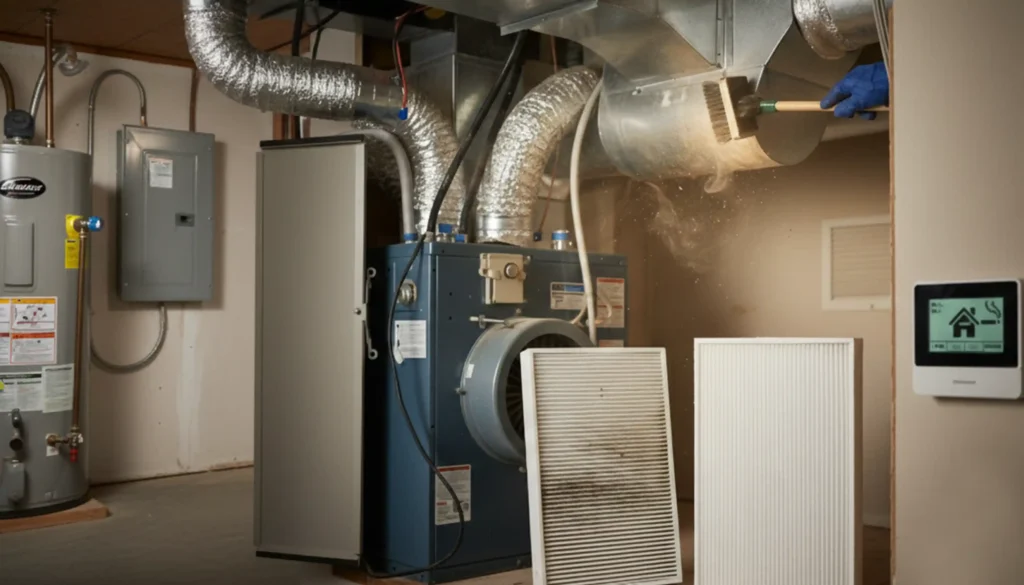
Even after surfaces are cleaned, cigarette smoke odor can continue to return if it is redistributed through the heating and cooling system. HVAC systems move large volumes of air throughout a house, so any smoke-related particles or residue left inside the system can undo much of the progress made during cleaning. Preventing recirculation is therefore an essential part of eliminating smoke smell from a house, and it requires attention to how air moves as well as where residue remains.
- Air filters are often the first point of failure: Filters that were in place during smoking exposure commonly trap smoke particles and odor-causing compounds. If they are not replaced, those trapped residues can be released back into the air each time the system runs. Replacing filters early is important, and in homes with noticeable smoke odor, filters may need to be changed more than once over a short period. Higher-quality filters that capture fine particles can help limit odor movement, but they work best as part of a broader cleanup effort.
- Vents and return grilles can also reintroduce odor: Smoke residue can build up on vent covers, inside grilles, and on nearby surfaces exposed to constant airflow. These areas are easy to overlook, yet they can release odor whenever air passes through the system. Cleaning vent covers and surrounding surfaces is especially important in rooms where smoking occurred or where smoke smell is strongest.
- In some cases, the ductwork itself becomes a reservoir: Homes with long-term indoor smoking, heavy odor, or visible residue near vents may benefit from professional duct cleaning. Smoke particles can accumulate inside ductwork and continue circulating throughout the house. However, duct cleaning is most effective when combined with surface cleaning and filter replacement. On its own, it will not eliminate smoke odor if residue remains elsewhere.
DIY Smoke Odor Removal Methods
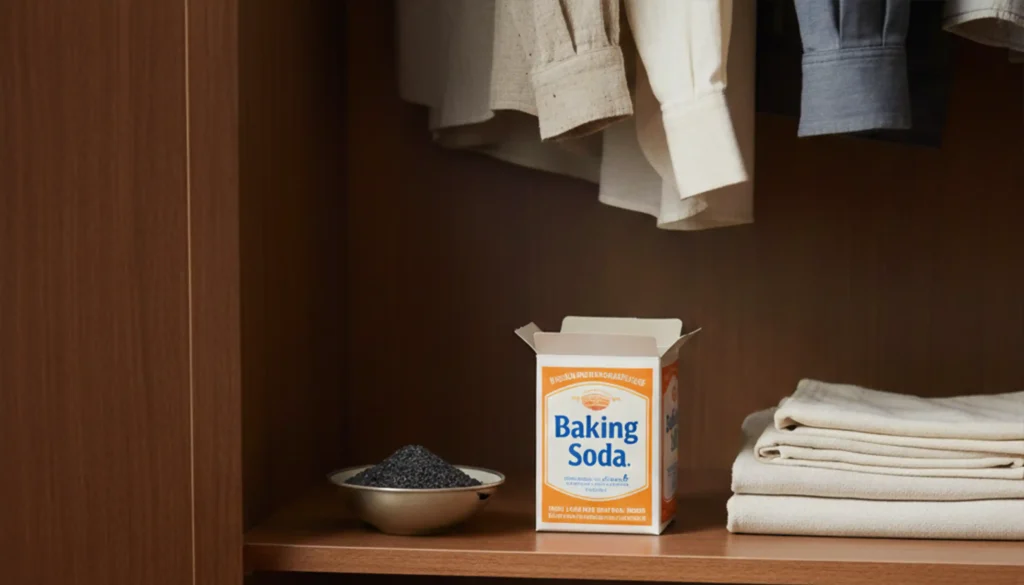
DIY methods are often the first solutions people try when dealing with cigarette smoke odor. Many of these options are easy to access and inexpensive, but their effectiveness depends on how severe the odor is and where it is coming from. Understanding the limits of DIY approaches helps set realistic expectations and prevents relying on methods that cannot fully eliminate smoke smell from a house.
Absorbing materials such as activated charcoal and baking soda can help reduce mild cigarette smoke odor in small, enclosed spaces like closets, drawers, or storage cabinets. These materials work by trapping odor molecules from the surrounding air, not by removing the source of the smell. Because of this, their impact is gradual and limited, and they are easily overwhelmed when odor is being continuously released from fabrics, walls, or indoor air circulation.
Vinegar-based methods may assist during cleaning by reducing surface-level smoke residue on hard surfaces or in washable fabrics. When used in diluted form, vinegar can help neutralize certain smoke-related compounds. However, it does not penetrate deeply into porous materials where cigarette smoke odor is often embedded, and its usefulness drops significantly when smoke exposure has been long-term or widespread. Proper rinsing and ventilation are also necessary to avoid leaving behind a secondary odor.
Some people also try additional approaches such as extended airing in fresh outdoor air, brief sunlight exposure for portable items, enzyme-based cleaners, or natural absorbers like coffee grounds or mineral materials. These methods may help with very localized or light odor and can be useful for individual items, but they do not remove deeply embedded residue or stop ongoing odor release. Their role is supportive at best.
When Professional Smoke Odor Removal Is Needed?
DIY methods can help with light or limited cigarette smoke odor, but they are not designed for deeper or long-standing problems. When smoke smell remains noticeable after repeated cleaning, spreads across multiple rooms, or returns quickly, it usually means that odor-causing residue has settled beyond the reach of household solutions.
Professional smoke odor removal targets areas that are difficult or impractical to handle on your own. This often includes intensive cleaning of heavily affected fabrics, specialized treatment of walls, ceilings, and structural surfaces, and careful attention to hidden areas that continue releasing odor. In homes with persistent cigarette smoke smell, professional methods provide a more reliable path to eliminate smoke smell from a house when standard cleaning no longer delivers lasting results.
Maintaining a House with Less Smoke Smell
Managing indoor air plays an important role both while cigarette smoke is present and after cleaning has been completed. When smoke enters a home, odor-causing particles and gases remain suspended in the air before settling on surfaces. Addressing the air at this stage helps limit how much odor stays in circulation and reduces how deeply it can spread throughout the space.
After cleaning, indoor air management remains essential because smoke-affected materials can continue releasing small amounts of odor over time. Normal air movement, temperature changes, and daily activity can all trigger this gradual release. Treating the air helps control these residual emissions and supports the results of cleaning, making them last longer.
What makes this approach effective is that it focuses on the air itself rather than simply moving it around. Basic circulation shifts odor from one area to another, while proper air treatment works on smoke-related compounds as air flows naturally through the home. By operating continuously instead of reactively, this method helps keep overall smoke smell levels lower and more stable, making the house easier to maintain over the long term.
ActivePure Solutions for Smoke-Affected Homes
Final Thoughts
Eliminate Smoke Smell from House is not achieved through one quick step or a single solution. Cigarette smoke affects indoor air, surfaces, and everyday materials in ways that allow odor to linger or return over time. A lasting result comes from understanding how smoke behaves, addressing affected areas methodically, and supporting cleaning efforts with consistent air management. Technologies developed by Activepure are designed to work continuously on indoor air, helping reduce smoke-related contaminants and making it easier to maintain a fresher, more comfortable home long after cleaning is complete.
Frequently Asked Questions
How to eliminate smoke smell from house completely?
To eliminate smoke smell from a house completely, it is necessary to address both the surfaces and the indoor air. Cigarette smoke particles settle into fabrics, walls, and belongings while also lingering in the air. A combination of deep cleaning, HVAC attention, and consistent air management is required for lasting results.
Why does the smoke smell keep coming back after cleaning?
Smoke odor often returns because cigarette smoke residue remains embedded in materials and continues to release odor over time. Normal airflow, temperature changes, and daily activity can cause this residue to re-enter the air even after cleaning, making the smell seem persistent.
What parts of a house absorb smoke odor the most?
Soft materials such as carpets, upholstery, curtains, mattresses, and clothing absorb cigarette smoke odor the most. Walls and ceilings can also hold smoke film, while personal belongings and stored items may quietly reintroduce odor if not properly cleaned.
Can HVAC systems spread cigarette smoke smell through a house?
Yes. HVAC systems can redistribute cigarette smoke odor by moving contaminated air through ducts, vents, and filters. If smoke residue remains in filters, vents, or ductwork, the system can spread odor into rooms where smoking never occurred.
Scientific References
- Formation of carcinogens indoors by surface-mediated reactions of nicotine with nitrous acid
- Households contaminated by environmental tobacco smoke: Sources of infant exposures.
- Centers for Disease Control and Prevention (CDC). Health Effects of Secondhand Smoke.
- Cigarette smoke toxins deposited on surfaces: Implications for human health.
- Thirdhand smoke: A new dimension of tobacco smoke exposure.
Source: Aerus’ ActivePure Technology