ActivePure Journal
What Humidity Really Does to the Air Indoors
Humidity does more than make indoor air feel heavy. In warm climates, moisture can create the conditions mold spores, dust mites, and bacteria need to survive and grow indoors.

Humidity is easy to notice when the air feels sticky, but its real effect indoors is often less obvious. Moisture changes what can live, grow, and spread inside a room — especially in warm climates where air conditioning, closed windows, and trapped moisture are part of everyday life.
Humidity Is More Than a Comfort Issue
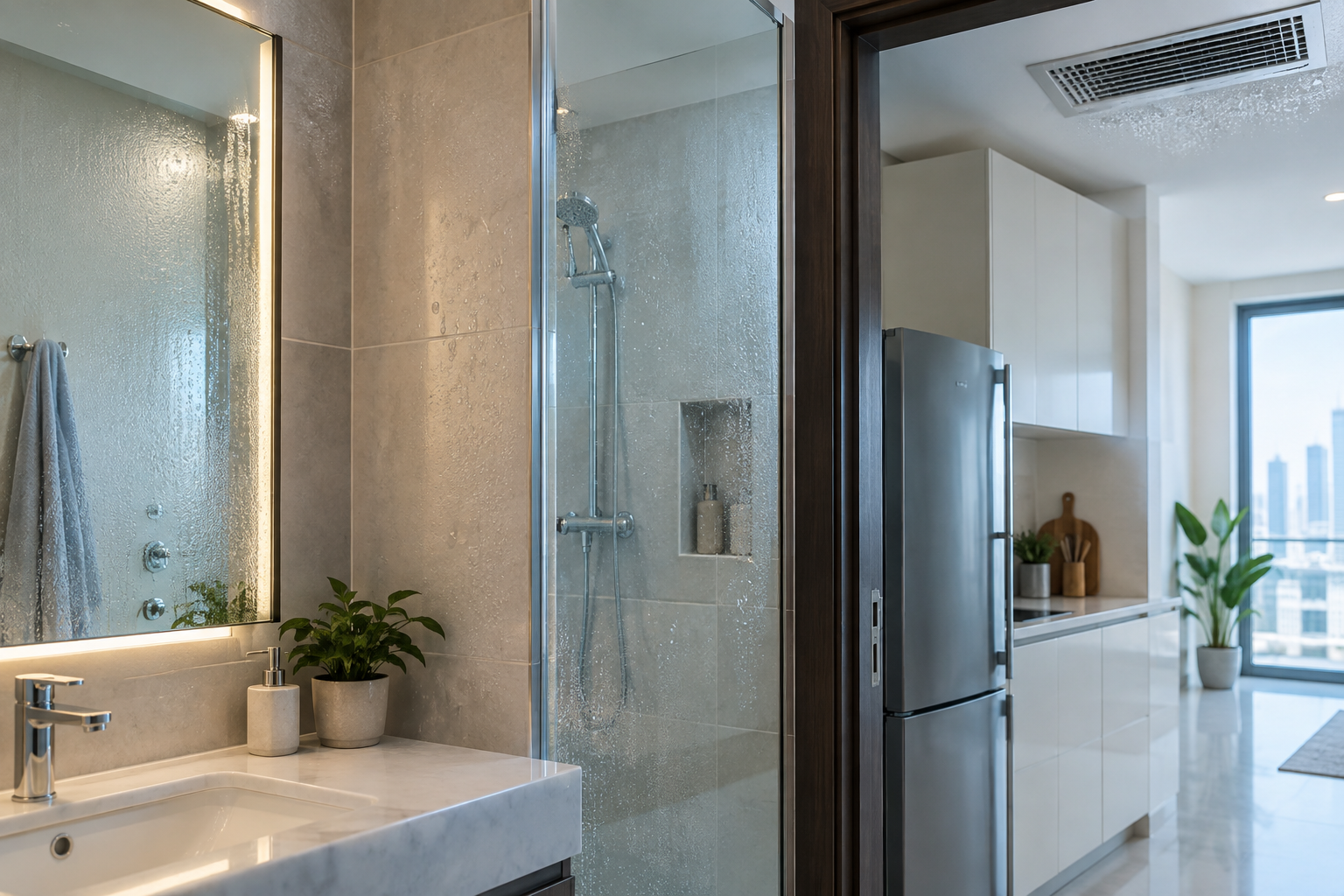
Humidity is not only about how the air feels. When indoor air holds too much moisture, it creates an environment where mold spores, dust mites, and many bacteria can survive more easily.
In naturally humid climates, this effect becomes stronger indoors. Moisture can collect behind furniture, around windows, inside AC units, and in bathrooms or kitchens where airflow is limited. These areas may look normal from the outside, but the conditions can still support microbial growth over time.
You Do Not Always Need Visible Water Damage
One of the biggest misunderstandings about humidity is that it only matters when there is a leak or visible water damage. In reality, everyday humidity levels can still affect indoor air quality.
Warm, moist air can settle in corners, wardrobes, soft furnishings, and poorly ventilated spaces. Even when there is no obvious stain or damp patch, those conditions may be enough for mold and other organisms to begin establishing themselves.
Why Humidity and Air Quality Work Together

Managing moisture is the first step in protecting indoor air. Good ventilation, proper AC maintenance, and humidity control all help reduce the conditions that allow mold spores, dust mites, and bacteria to thrive.
Continuous air and surface purification adds another layer of support. While humidity naturally changes throughout the day, active purification technologies are designed to keep working in the background, helping address airborne particles and microorganisms before they build up indoors.
The UAE Indoor Air Challenge
In the UAE, indoor spaces often depend heavily on air conditioning. This keeps rooms cool, but it can also mean the same indoor air circulates for long periods. If moisture is trapped somewhere in the space, the effect can become more noticeable over time.
That is why indoor air quality should not be treated separately from humidity. Both need to be managed together to create a cleaner, healthier, and more comfortable indoor environment.
ActivePure UAE
Find the right purification solution for your space.
Explore our products or speak with the ActivePure UAE team.
Helpful Answers
Frequently Asked Questions
Yes. High indoor humidity can support mold spores, dust mites, and bacteria, especially in warm or poorly ventilated spaces.
No. Humidity can affect indoor air before visible mold appears. Moisture may collect behind furniture, inside AC systems, or in corners where airflow is weak.
The UAE has a naturally warm and humid climate, and many indoor spaces rely heavily on air conditioning. This makes moisture control and indoor air purification especially important.
Regular AC maintenance, better ventilation, moisture control, and continuous air purification can all help improve indoor air conditions.